
.png)

Peru


Best Time to Visit Peru: May and August
Peru stretches from Pacific coastline through the Andes to the edge of the Amazon, which means weather varies dramatically by region and elevation. If you're wondering when to visit Peru, May and August both fall squarely in the dry season for the highlands and Machu Picchu, the country's undeniable centerpiece. May marks the start of the dry season with fewer tourists, while August brings peak conditions and the country at its most accessible. Both months deliver Peru when the Inca Trail is open, the skies above Cusco are clear, and you can actually see the mountains that define the landscape.
May: Dry Season Begins
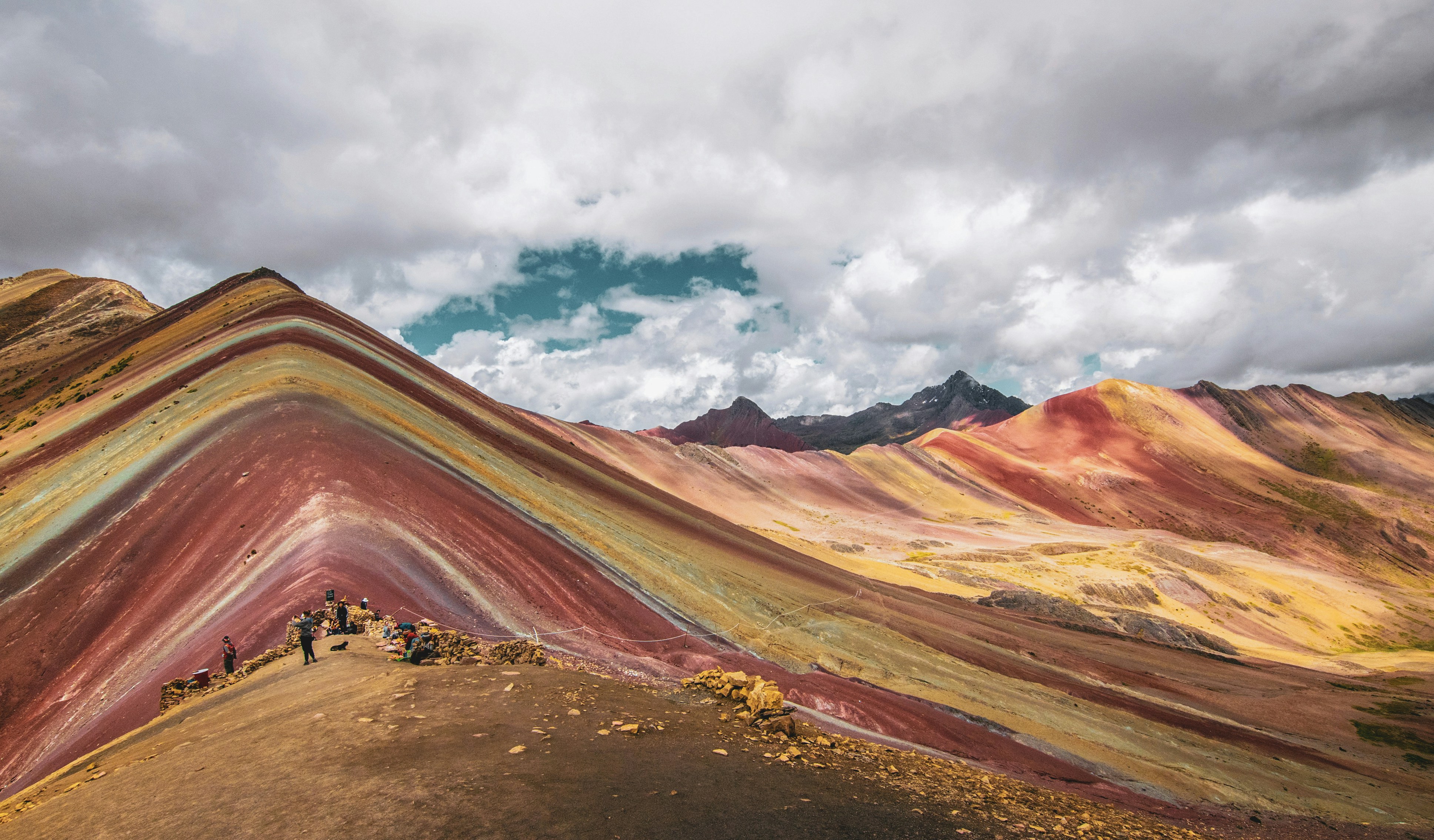
May in Peru means the rainy season has just ended, leaving the highlands green and the trails to Machu Picchu muddy enough to require decent boots but dry enough to be fully accessible. The temperatures in Cusco and the Sacred Valley sit comfortably in the high teens during the day, dropping to near freezing at night because of the elevation (Cusco sits at 3,400 meters). The mountain views are spectacular after months of cloud cover, and you're ahead of the June through August tourist surge.
Machu Picchu in May offers something rare: relatively few visitors but full operational access. The train from Cusco or Ollantaytambo runs regularly, the site opens at dawn for those chasing the classic sunrise shots with Huayna Picchu in the background, and you can actually find moments of near-solitude on the less-traveled paths through the ruins. The Inca citadel, rediscovered by Hiram Bingham in 1911, maintains its power to astonish regardless of how many photos you've seen beforehand.
The Sacred Valley, the string of towns and ruins between Cusco and Machu Picchu, is particularly beautiful in May. The agricultural terraces at Moray and the salt pans at Maras are accessible, and the Pisac ruins overlooking the valley offer views across landscapes the Incas shaped centuries ago. May's green hillsides, result of the recently ended rains, create a version of the Andes that looks more lush than the typical postcard images suggest.
August: Peak Dry Season
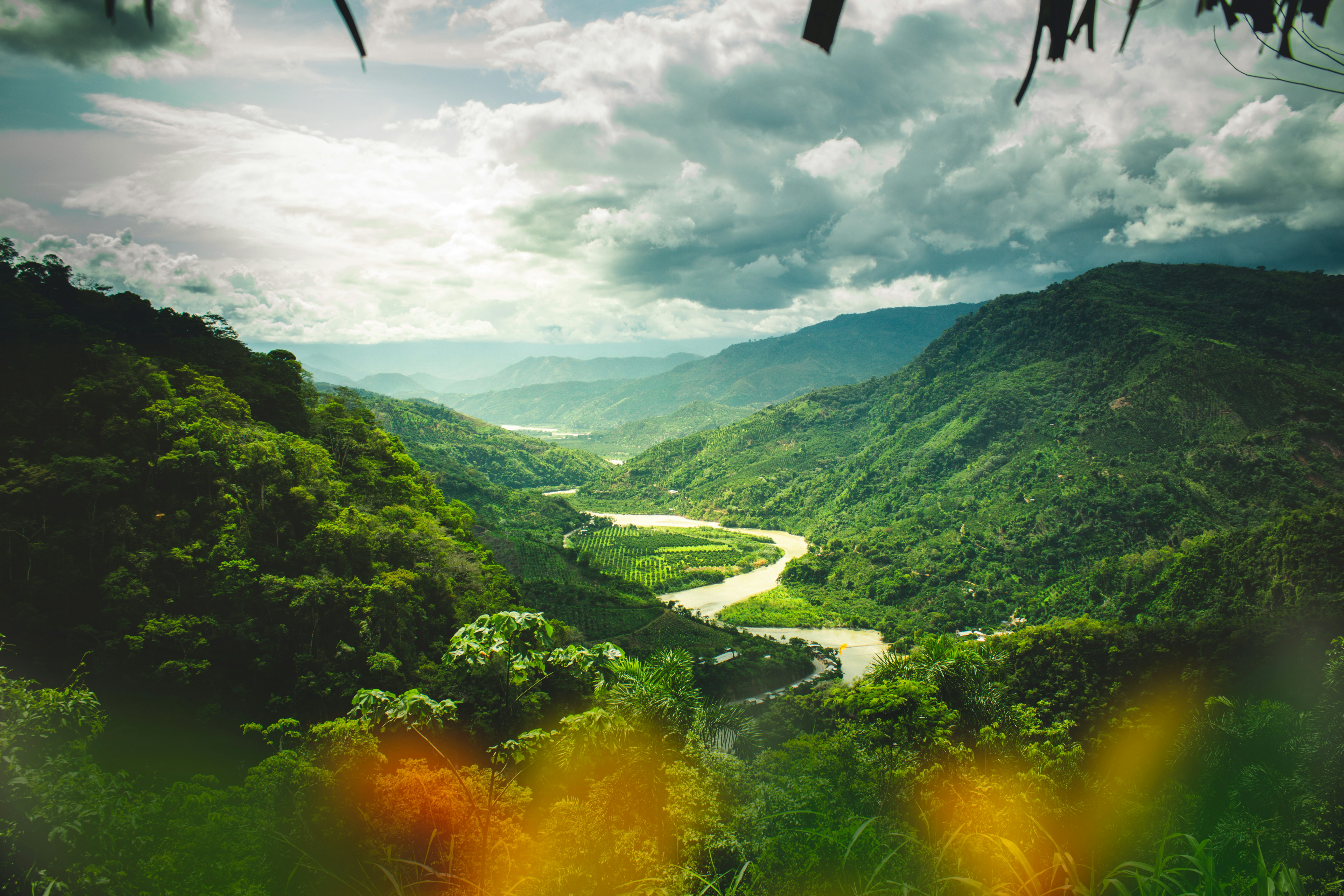
August is Peru's high season for good reason. The weather in the highlands is at its most reliable: clear skies, stable temperatures, and virtually no rain. Machu Picchu sees its highest visitor numbers, but the site's management limits daily entries and time slots, so it never reaches the overwhelming crowds some other UNESCO sites experience. The morning fog that often shrouds the ruins in May has usually cleared by August, giving you those postcard views more consistently.
The Inca Trail, closed for maintenance each February, is fully operational and booked solid in August. If you're planning to trek the classic four-day route to Machu Picchu, permits sell out months in advance for August departures. Alternative treks like Salkantay or Lares offer spectacular hiking with more availability, and many travelers argue they're more rewarding than the crowded classic trail.
Lima, often treated as just a jumping-off point for Cusco, deserves attention in August. The coastal capital's culinary scene has evolved into one of the world's best, with restaurants like Central and Mayta pushing Peruvian ingredients and techniques into new territory. August brings Lima's winter, which means grey skies and cool temperatures (mid-teens Celsius), but the food scene operates year-round and the grey weather somehow suits the city's dramatic clifftop setting above the Pacific.
Where We'd Stay: Belmond Hotel Monasterio
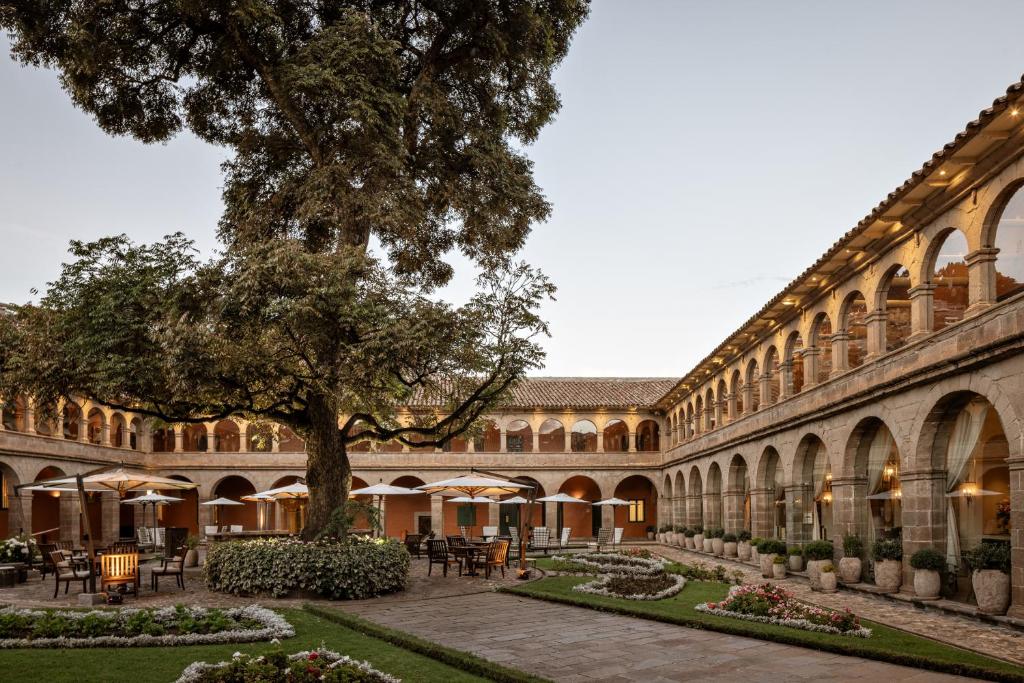
For Cusco, Belmond Hotel Monasterio occupies a converted 16th-century monastery in the heart of the historic center. The property maintains much of the original architecture, with stone archways, a colonial chapel, and courtyards that feel genuinely historic rather than recreated. The rooms incorporate oxygen-enriched air to help with altitude adjustment, a practical consideration given Cusco's elevation that many hotels overlook.
What makes Hotel Monasterio special is the combination of location and acclimatization support. You're steps from the Plaza de Armas and positioned perfectly for exploring Cusco's cobblestone streets and Inca stonework foundations visible throughout the city. The hotel's location within the historic center means you're living in the UNESCO World Heritage site rather than just visiting it. May and August both benefit from the property's courtyards and public spaces, which serve as peaceful retreats after long days exploring ruins or adjusting to the altitude. Through our Belmondpartnership, you'll receive daily breakfast, a resort credit, and room upgrades when available.
Why These Months Work
May and August bracket Peru's dry season shoulder and peak. May offers the advantage of fewer tourists and lower prices while still delivering excellent weather. August provides the most reliable conditions across the country but requires advance planning and acceptance of higher prices and fuller sites.
Both months avoid the December through March rainy season, when Machu Picchu can be shrouded in clouds for days and the Inca Trail becomes a muddy slog. The dry season matters in Peru more than many destinations because so much of what makes the country spectacular involves being outdoors at high elevation where weather can shift dramatically.
Ready to explore Peru's ancient wonders? Enquire with The Camel Collection and let us design your Peruvian journey, from Machu Picchu to the Sacred Valley to Lima's culinary excellence, complete with exclusive benefits.

.webp)


.svg)
.svg)
© 2025 Camel Collection
Hughenden, Rock Road, Rock, Cornwall, United Kingdom, PL27 6PW