
.png)
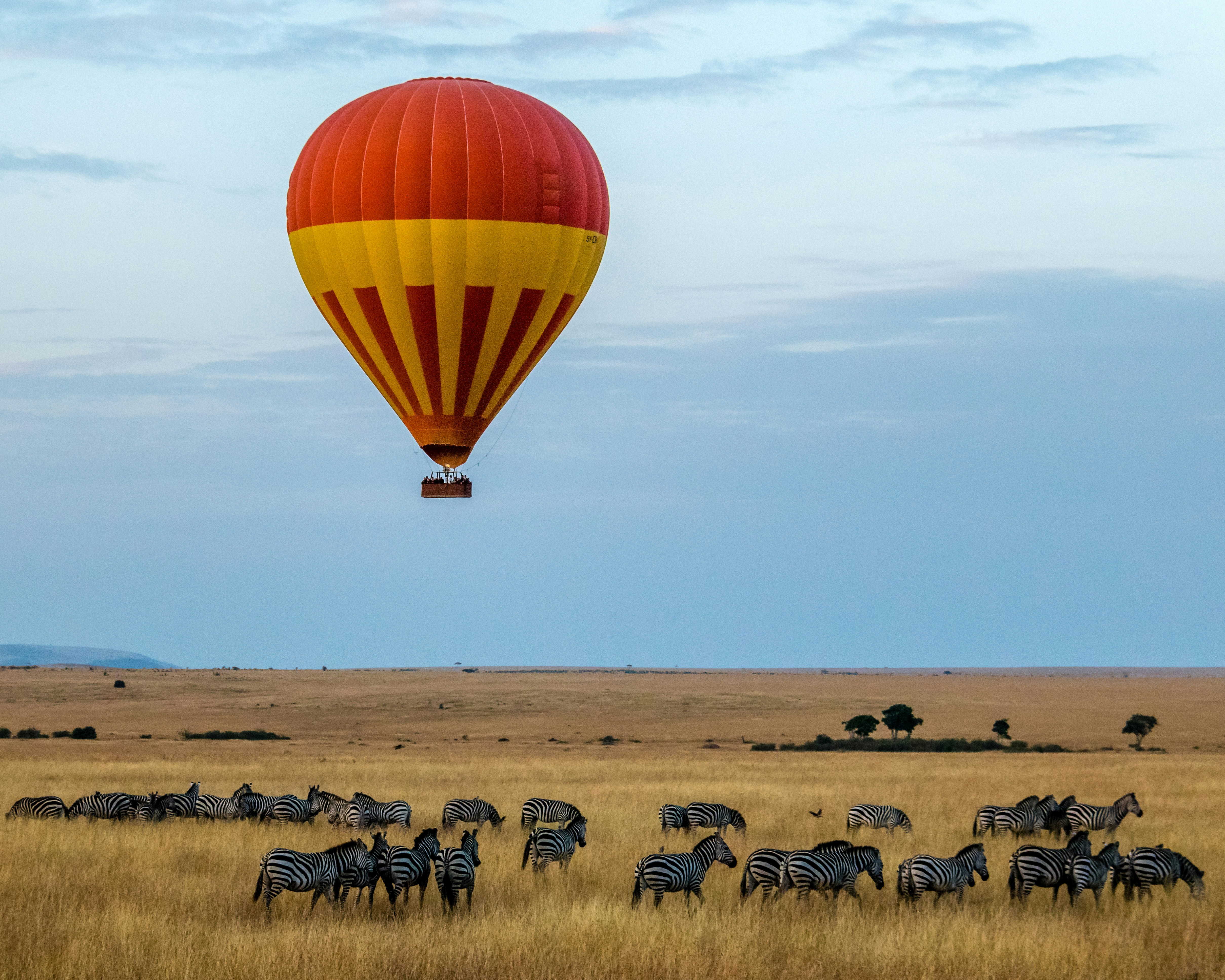
Kenya


Best Time to Visit Kenya: February and August
Kenya's safari seasons are defined by two things: the Great Migration and the weather. February sits in the dry season when wildlife congregates around water sources and predator activity peaks. August is Migration season - millions of wildebeest and zebra crossing the Mara River in one of nature's most dramatic spectacles. If you're wondering when to visit Kenya, these two months offer completely different but equally spectacular safari experiences.
February: Dry Season and Predator Activity
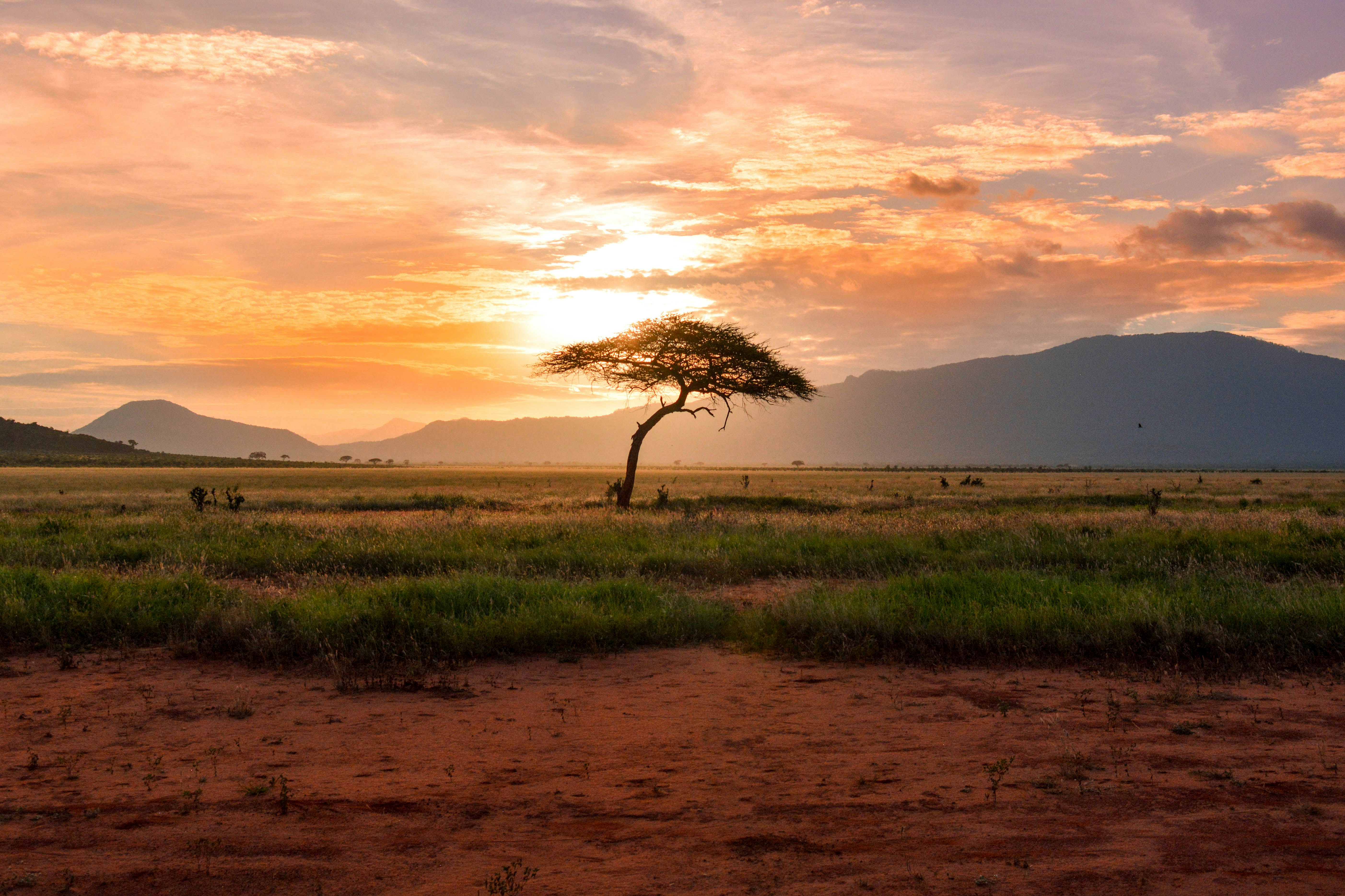
February is Kenya's short dry season between the rains, and what that means for safari: animals congregate around remaining water sources, making wildlife viewing exceptionally productive. The Maasai Mara's grasslands are still green from the short rains, but water is scarce enough that predators stake out waterholes and game becomes predictable.
This is calving season for wildebeest, zebra, and other herbivores, which triggers intense predator activity. Lions, cheetahs, and leopards are more active and visible, taking advantage of vulnerable young animals. The birdlife is spectacular — migratory species from Europe are still present, mixing with Kenya's resident birds.
February also means fewer tourists than the peak Migration months. The lodges are quieter, you'll often have sightings to yourself, and guides can spend more time with individual animals without pressure from other vehicles. The weather is warm but not oppressive, with occasional afternoon showers that clear quickly.
August: The Great Migration

August is when the Great Migration reaches the Maasai Mara. Roughly 1.5 million wildebeest and hundreds of thousands of zebra cross from Tanzania's Serengeti into Kenya, driven by the search for fresh grazing. The river crossings — where herds plunge into crocodile-infested waters — are some of the most dramatic wildlife moments on the planet.
The Mara in August is alive with movement. Massive herds stretch across the plains, dust clouds rise from thousands of hooves, and the predators follow in force. Lions gorge themselves, cheetahs hunt daily, and the opportunistic hyenas and vultures clean up what's left. It's nature at its most raw and unfiltered.
August is peak season, which means higher prices and more lodges at capacity, but the Migration justifies it. The weather is dry and mild — Kenya's winter — making long game drives comfortable. Early mornings can be cool, but days are pleasant and skies are typically clear.
Where We'd Stay: Angama Mara
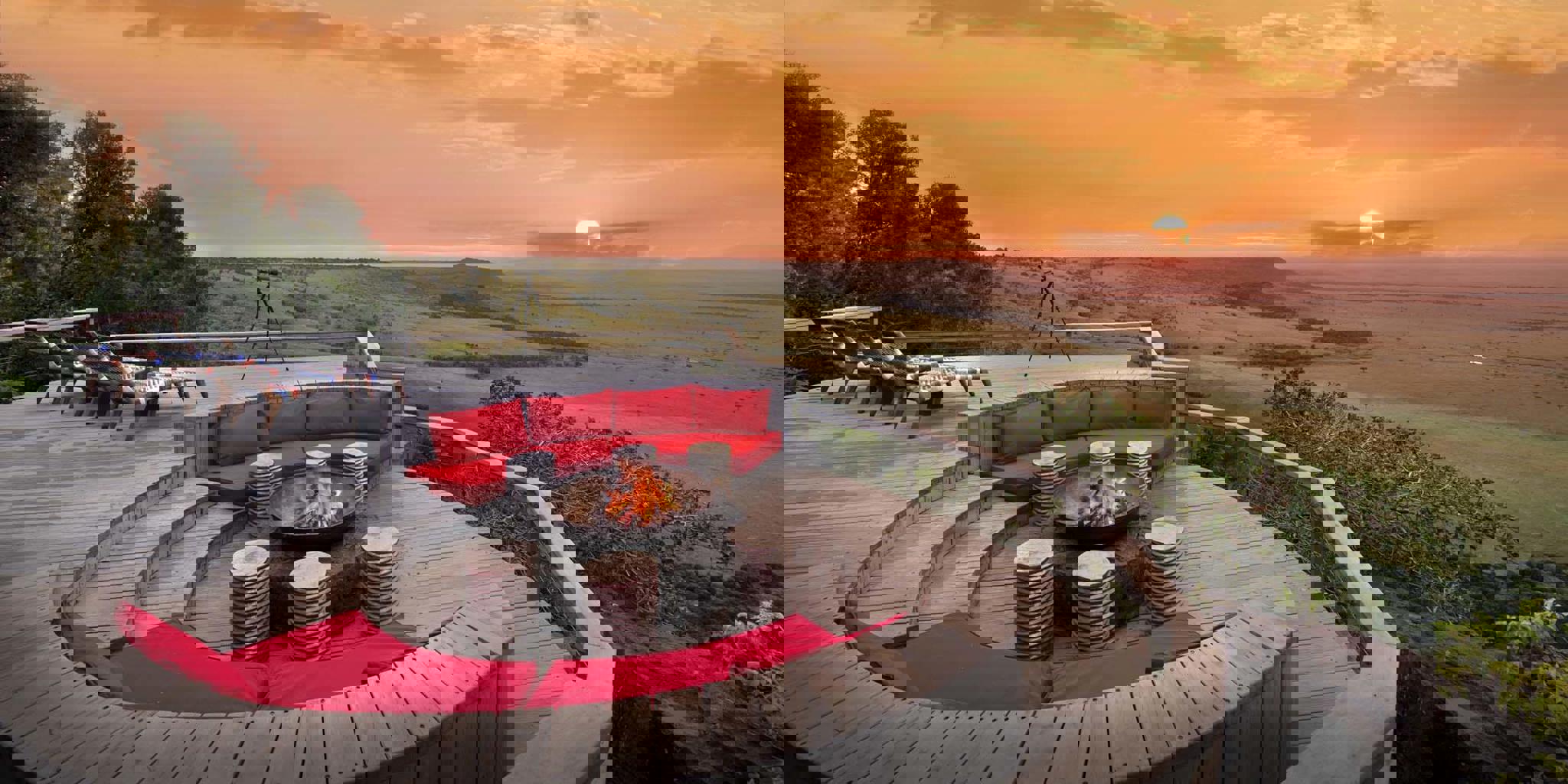
For the Maasai Mara, Angama Mara sits on the edge of the Great Rift Valley with views that stretch across the Mara Triangle. The lodge appeared in Out of Africa, and the setting remains as cinematic as ever. Each of the 30 tented suites has floor-to-ceiling glass overlooking the plains below, and the game drives descend directly into the conservancy.
What makes Angama special is the guide expertise and flexibility. They'll position you for river crossings in August or track predators for hours in February, adapting to what the day offers. The photography support is exceptional — this is a lodge that understands how to capture the Mara properly.
Ready to experience Kenya's wildlife? Enquire with The Camel Collection and let us design your safari.

.webp)


.svg)
.svg)
© 2025 Camel Collection
Hughenden, Rock Road, Rock, Cornwall, United Kingdom, PL27 6PW