
.png)
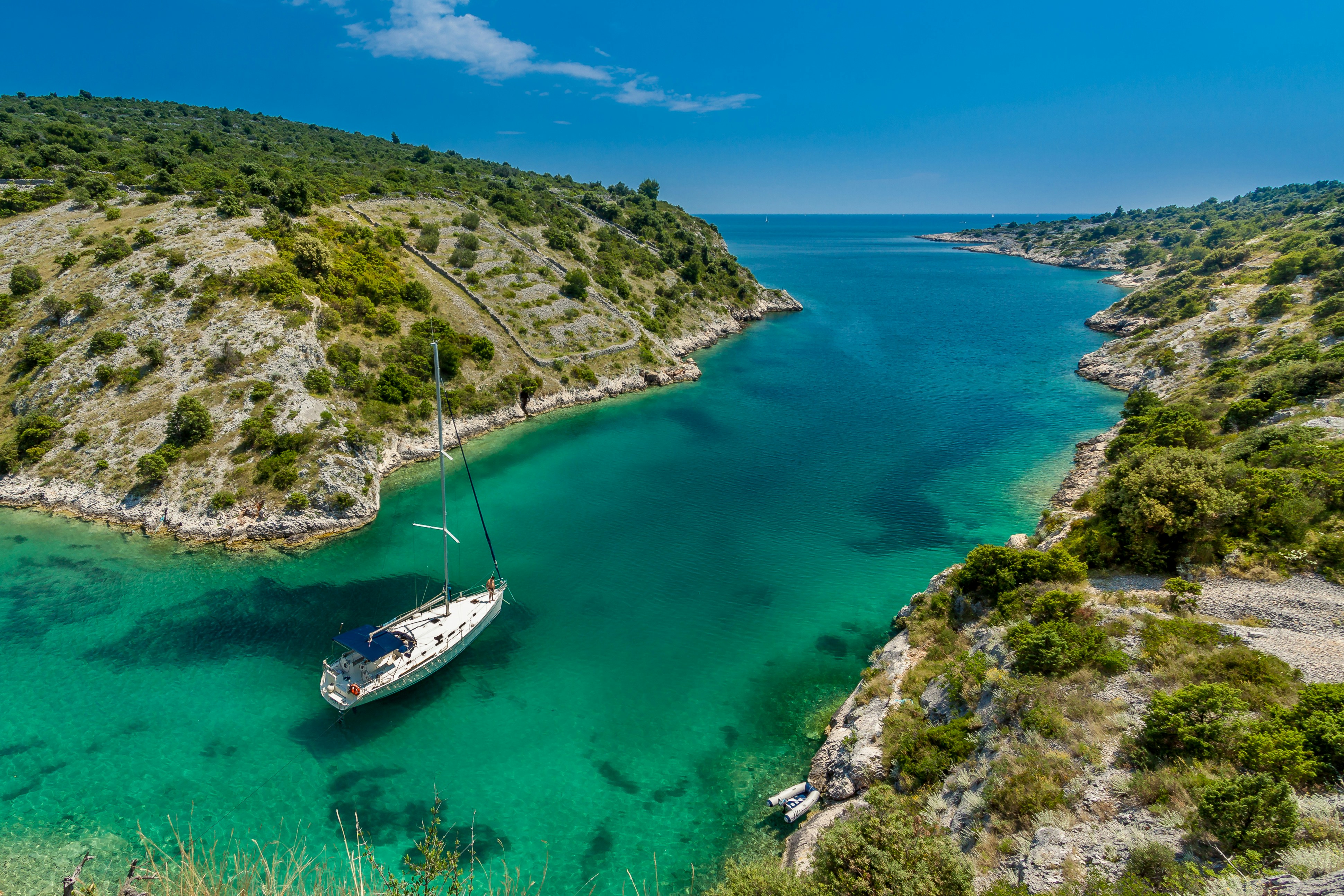
Croatia


Best Time to Visit Croatia: May and July
Croatia's Adriatic coastline has transformed from backpacker secret to Mediterranean mainstay, but timing still separates the savvy travelers from the cruise ship masses. If you're wondering when to visit Croatia, May and July offer two distinct versions of the country. May brings spring's freshness and shoulder season tranquility. July delivers peak Mediterranean summer with long days, warm seas, and coastal towns operating at full energy.
May: Spring Along the Coast
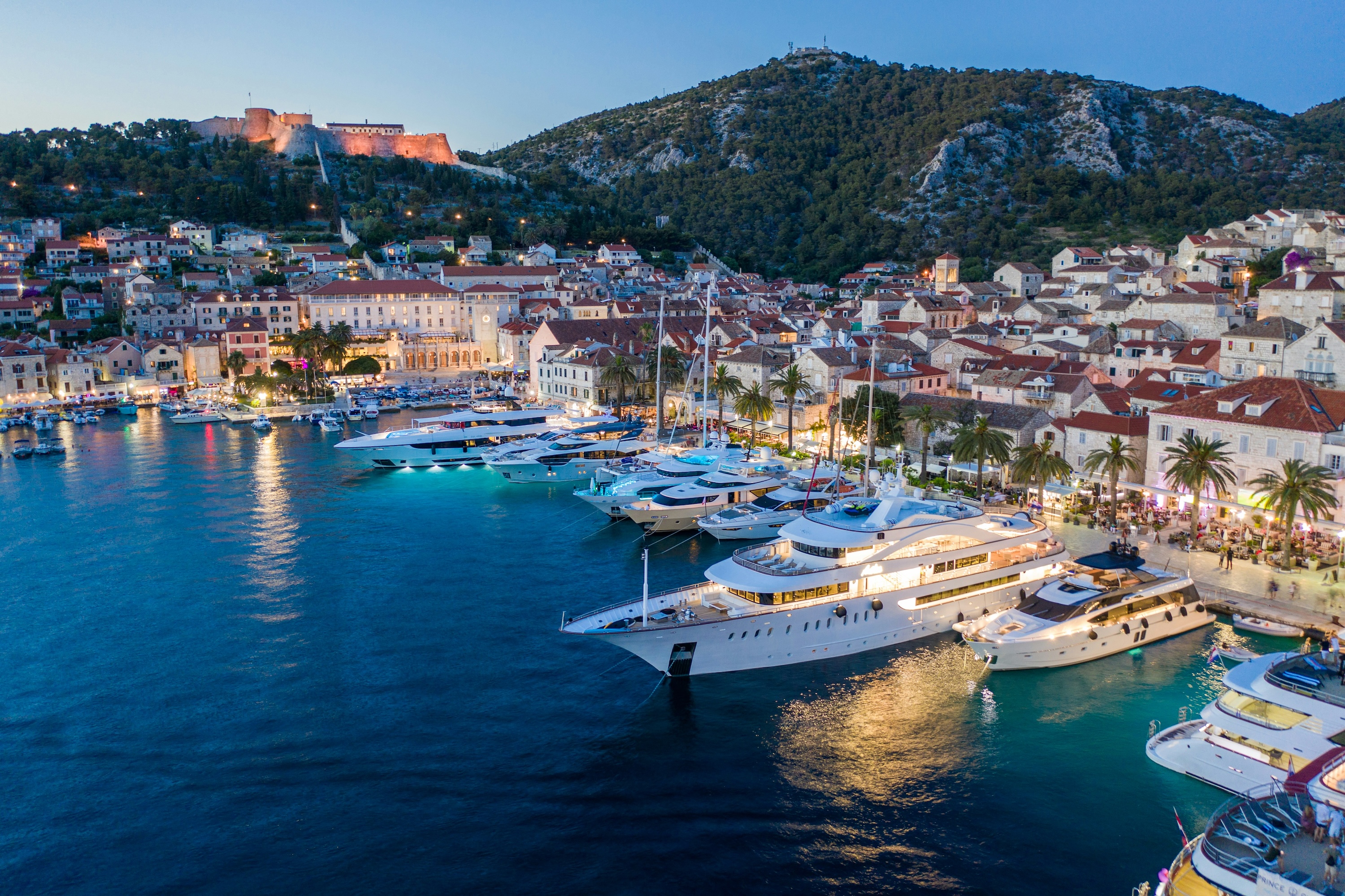
May in Croatia means temperatures in the low-to-mid 20s Celsius, perfect for exploring Dubrovnik's city walls or Split's Diocletian's Palace without heat exhaustion. The water temperature hovers around 18-19°C, brisk but swimmable. The ferries run full schedules, restaurants are open, but you're experiencing Croatia before summer tourism peaks.
The islands shine in May. Hvar's lavender begins blooming across hillsides, and the harbor town still functions where locals actually live. Korčula's medieval walls and beaches feel atmospheric without crowds. Vis, the most remote major island, offers military history (closed to foreigners until 1989) and beaches like Stiniva Cove that feel genuinely undiscovered.
Plitvice Lakes National Park becomes bearable in May. The sixteen terraced lakes connected by waterfalls look spectacular after spring rains, the surrounding forests are bright green, and the wooden walkways aren't shoulder-to-shoulder with visitors.
July: Peak Summer Energy
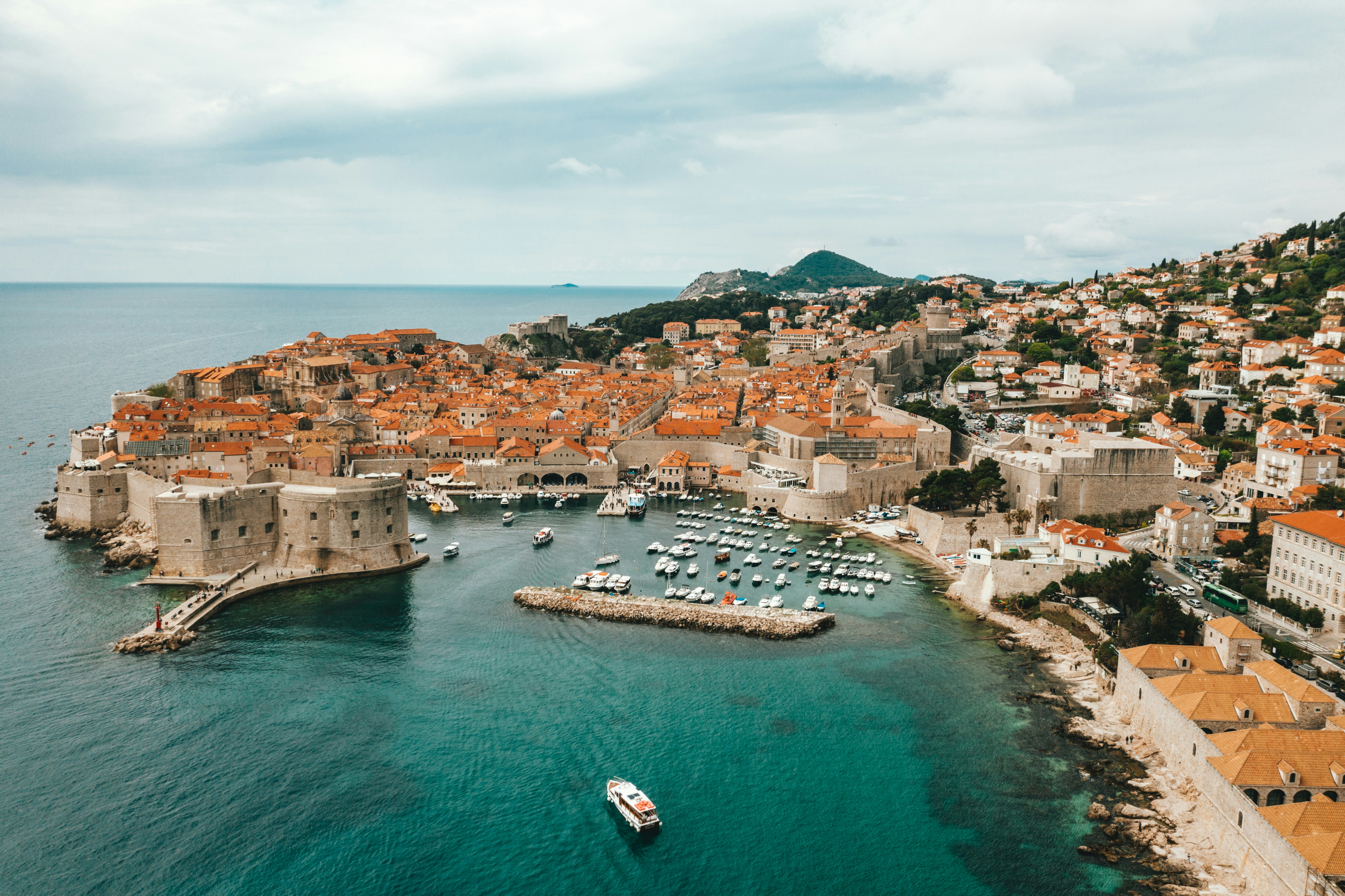
July is when Croatia fully commits to summer. Temperatures push into the high-20s to low-30s Celsius, the Adriatic reaches 24-25°C, and coastal towns operate at maximum capacity. Dubrovnik's old town fills during the day but reveals its magic in the evenings when cruise passengers depart.
The islands in July are vibrant rather than serene. Hvar's harbor fills with superyachts, beach clubs pump music from afternoon through sunset, and Brač's Zlatni Rat becomes a windsurfing hub. July brings music festivals across the coast, from Ultra Europe in Split to smaller festivals on islands like Pag.
Sailing in July is ideal. The winds are consistent, weather is stable, and Croatia's hundreds of islands create endless anchorage options. Chartering a yacht lets you skip crowds entirely by choosing smaller islands and secluded coves that never see tour boats.
Where We'd Stay: Villa Nai 3.3
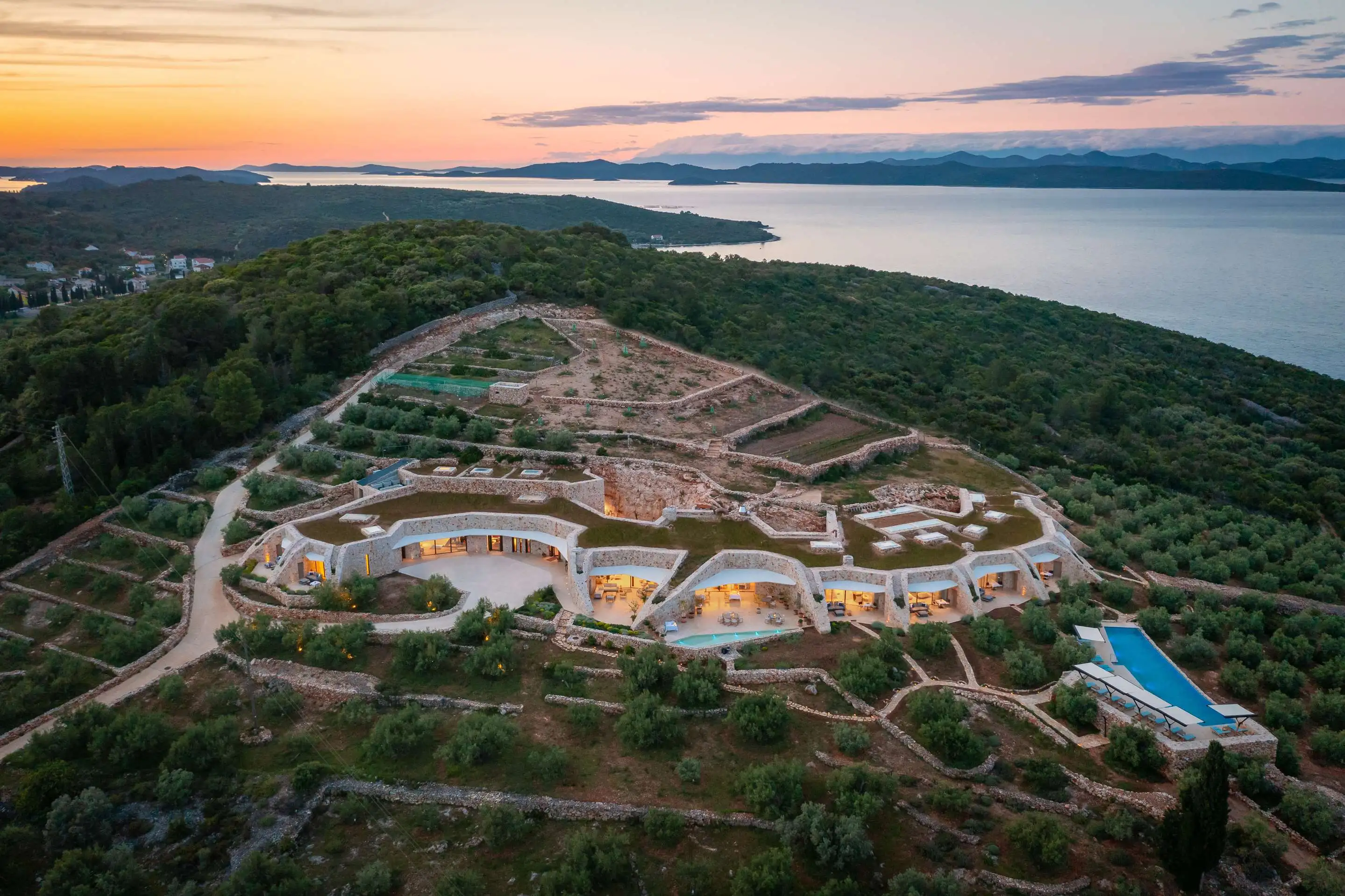
For something completely different, Villa Nai 3.3 on Dugi Otok island offers architecture that defies typical hotel categories. Designed by Nikola Bašić (creator of Zadar's Sea Organ), the property is built into a hillside beneath a 100-year-old organic olive grove. The eight accommodations feature stone walls excavated from the site and terraces opening directly onto olive trees.
The property sits on 40,000 square meters of olive grove, produces award-winning olive oil on-site, and the geometric building grows from the terrain rather than imposing on it. Located near Telašćica Nature Park and across from Kornati National Park's 140 islands, you have exploration access while maintaining genuine seclusion. The restaurants serve organic estate produce and local seafood using traditional Dalmatian methods with contemporary techniques.
The property is adults-only and accessible by boat from Zadar or helicopter to the on-site helipad. Through our Virtuoso partnership, you'll receive daily breakfast, a resort credit, and room upgrades when available.
Why These Months Work
May offers discovery and value, with pleasant weather and tourism infrastructure fully operational without being overwhelmed. July delivers peak Mediterranean summer with all the warmth and social energy that implies. Both avoid reduced ferry schedules and restaurant closures while giving you Croatia at its most cooperative.
Ready to explore Croatia's coast? Enquire with The Camel Collection and let us design your Adriatic journey, complete with exclusive Virtuoso benefits.

.webp)


.svg)
.svg)
© 2025 Camel Collection
Hughenden, Rock Road, Rock, Cornwall, United Kingdom, PL27 6PW