
.png)
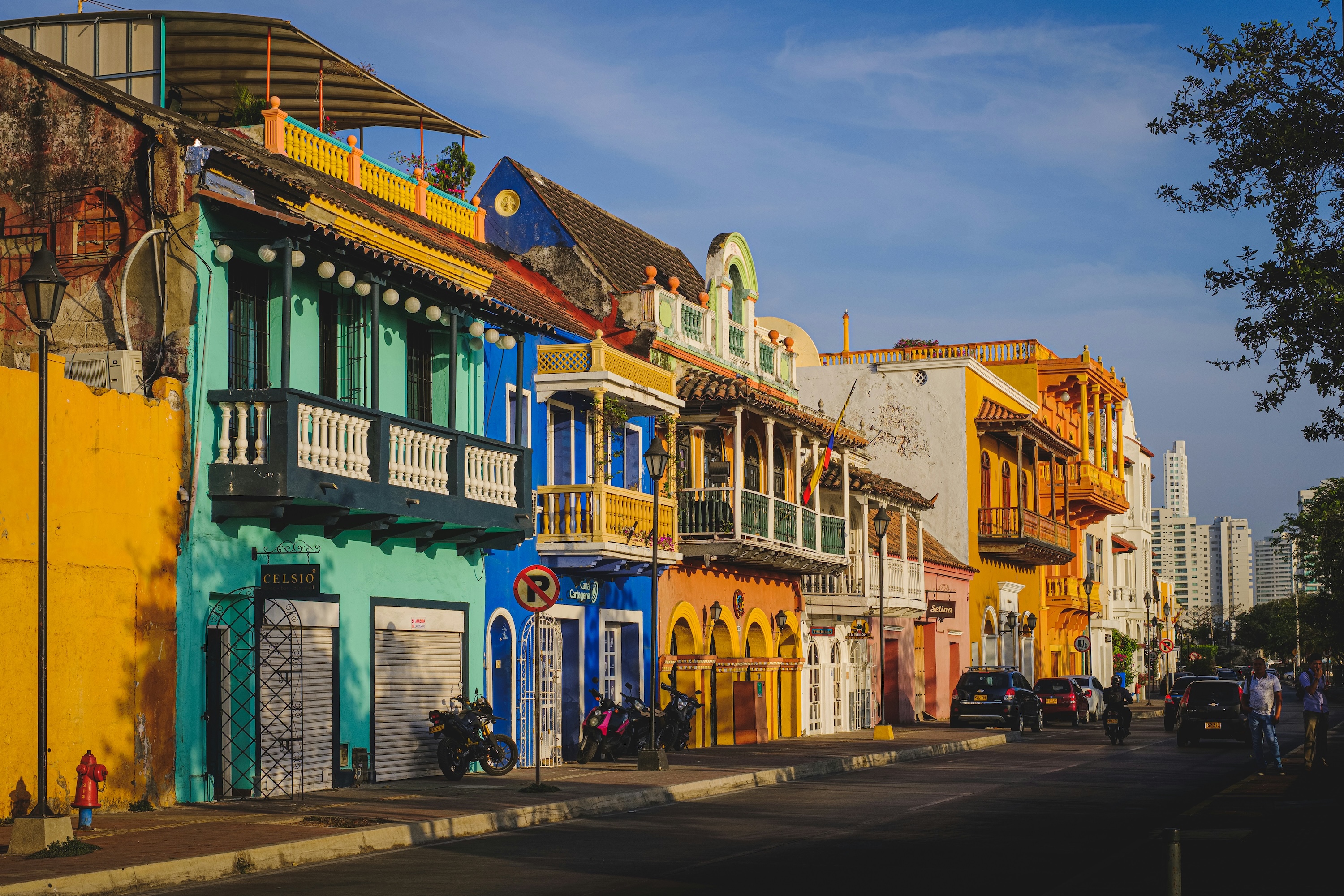
Colombia


Best Time to Visit Colombia: March and December
Colombia defies the single-country stereotype. Bogotá sits high in the Andes with a thriving art scene and cafes that take coffee as seriously as anywhere on earth. Cartagena's colonial walls contain cobblestone streets that could be transplanted from Spain, except for the Caribbean heat and salsa spilling from doorways. The coffee region grows some of the world's best beans on hillsides so green they look retouched. If you're wondering when to visit Colombia, March and December offer the country during its two dry seasons, when travel between regions is straightforward and the weather cooperates across most of the country.
March: Post-Rain Clarity
March sits at the end of Colombia's main dry season (December-March), which means the weather is still excellent across most regions. Cartagena is warm but not oppressive — mid-30s Celsius with Caribbean breezes keeping things manageable. The Old City's plazas and rooftop bars are at their best in March, before the heavier April rains arrive.
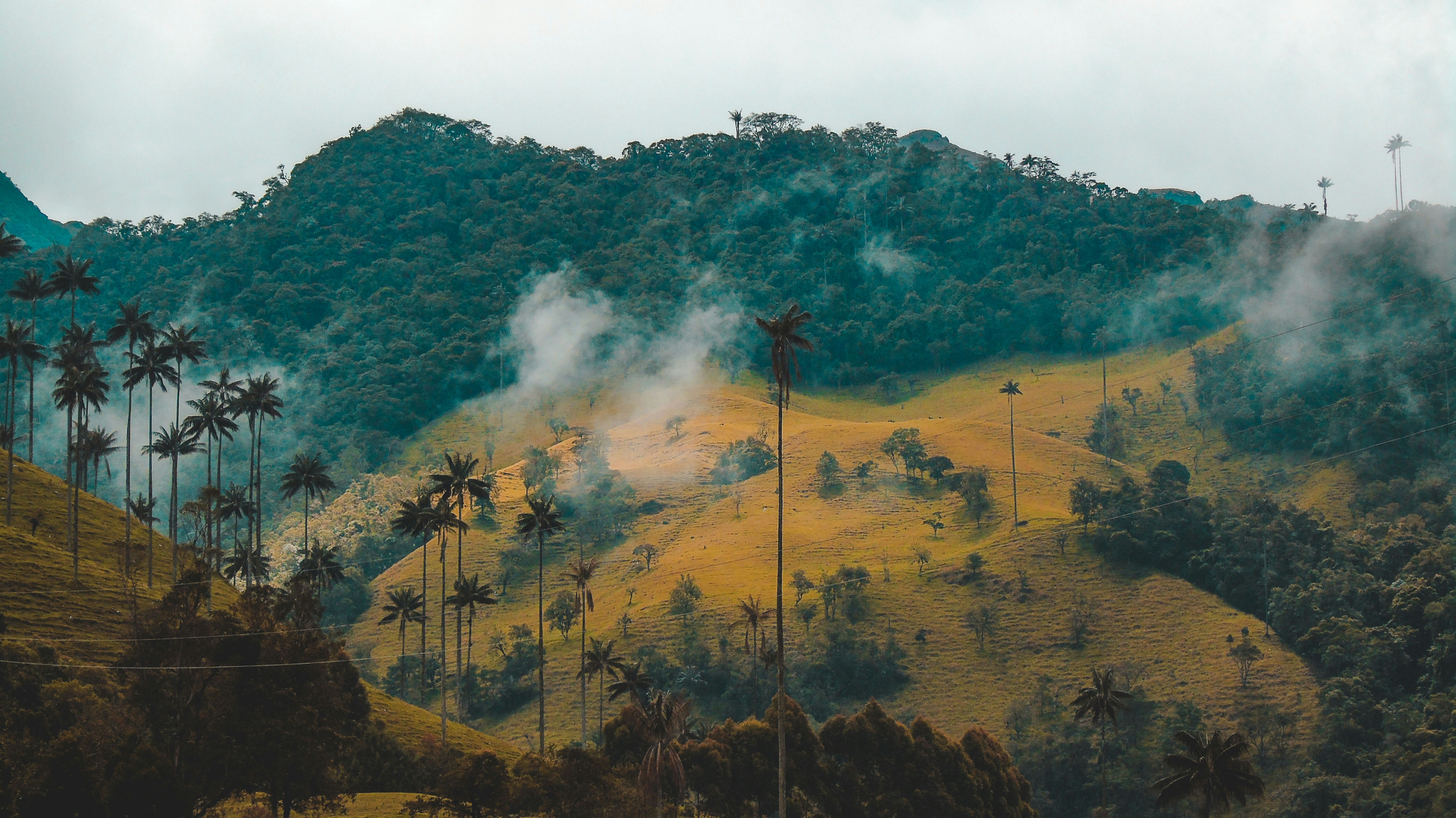
The coffee region — the UNESCO-listed Coffee Cultural Landscape around Salento, Filandia, and Manizales — is spectacular in March. The hillsides are lush from earlier rains, the coffee farms are accessible without mud, and the hiking in Valle de Cocora (where the wax palms grow impossibly tall) is ideal. March also coincides with harvest season on some farms, offering a chance to see the cherry-picking process firsthand.
Bogotá in March is crisp and clear. The city sits at 2,640 meters, so it's never tropical, but March brings stable weather perfect for exploring the Candelaria district's colonial streets, the Botero Museum's collection, and the Gold Museum's pre-Columbian artifacts. The nearby town of Zipaquirá, with its underground salt cathedral carved from a mine, is accessible year-round but particularly striking when the skies are clear.
December: Festive and Dry
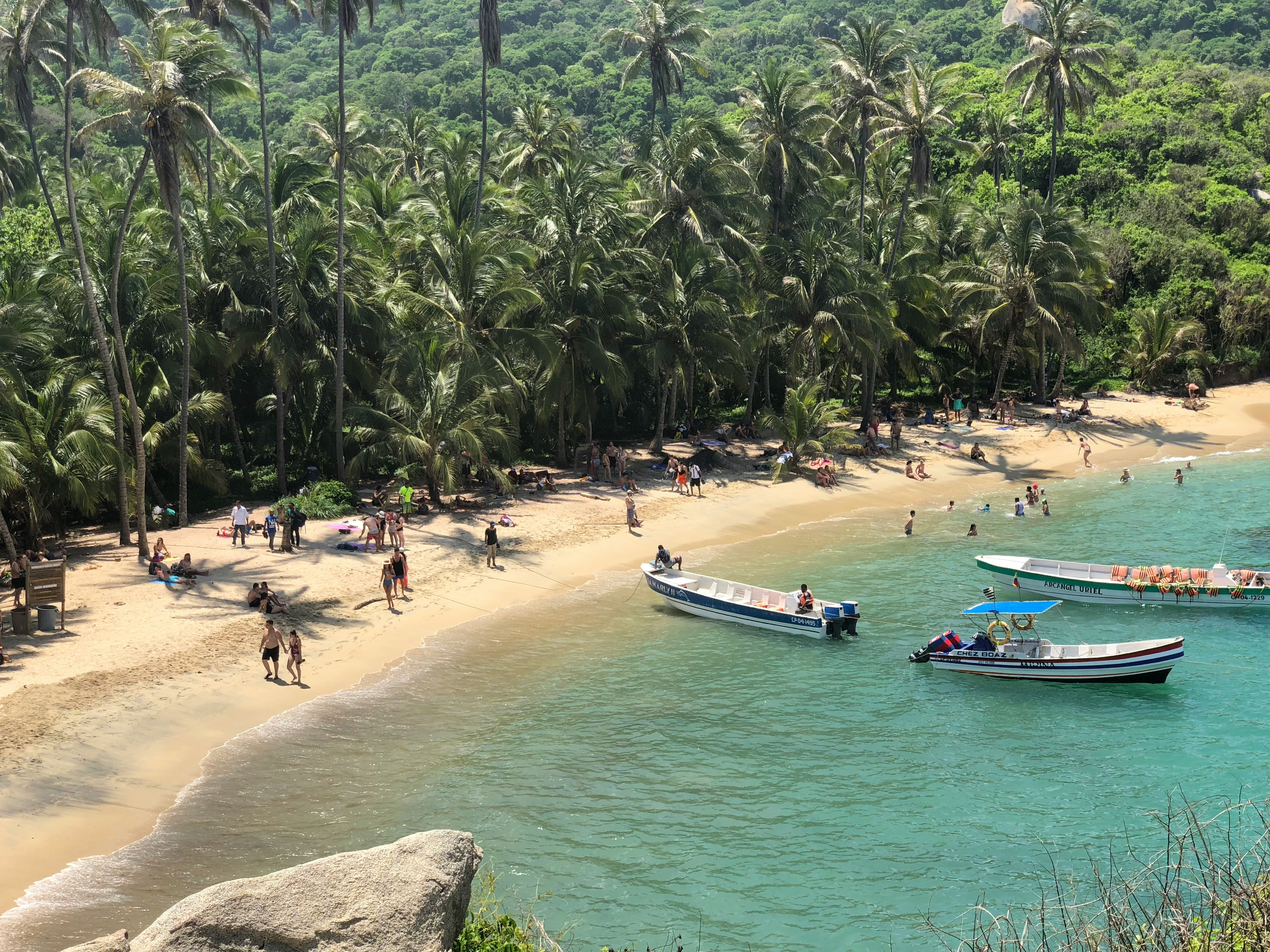
December marks the beginning of Colombia's second dry season and brings festive energy across the country. Cartagena becomes a party — Christmas lights strung across the Old City, street performers in every plaza, and a celebratory atmosphere that extends well past New Year's. It's peak season, which means higher prices and more tourists, but the energy justifies it.
The coffee region in December is equally festive. Colombian families travel during the holiday period, and the towns come alive with parrillas (street parties), nativity scenes, and a warmth that goes beyond the weather. The coffee farms are still operational, and December is when you'll find Colombian tourists discovering their own coffee heritage alongside international visitors.
Where We'd Stay: Casa San Agustín
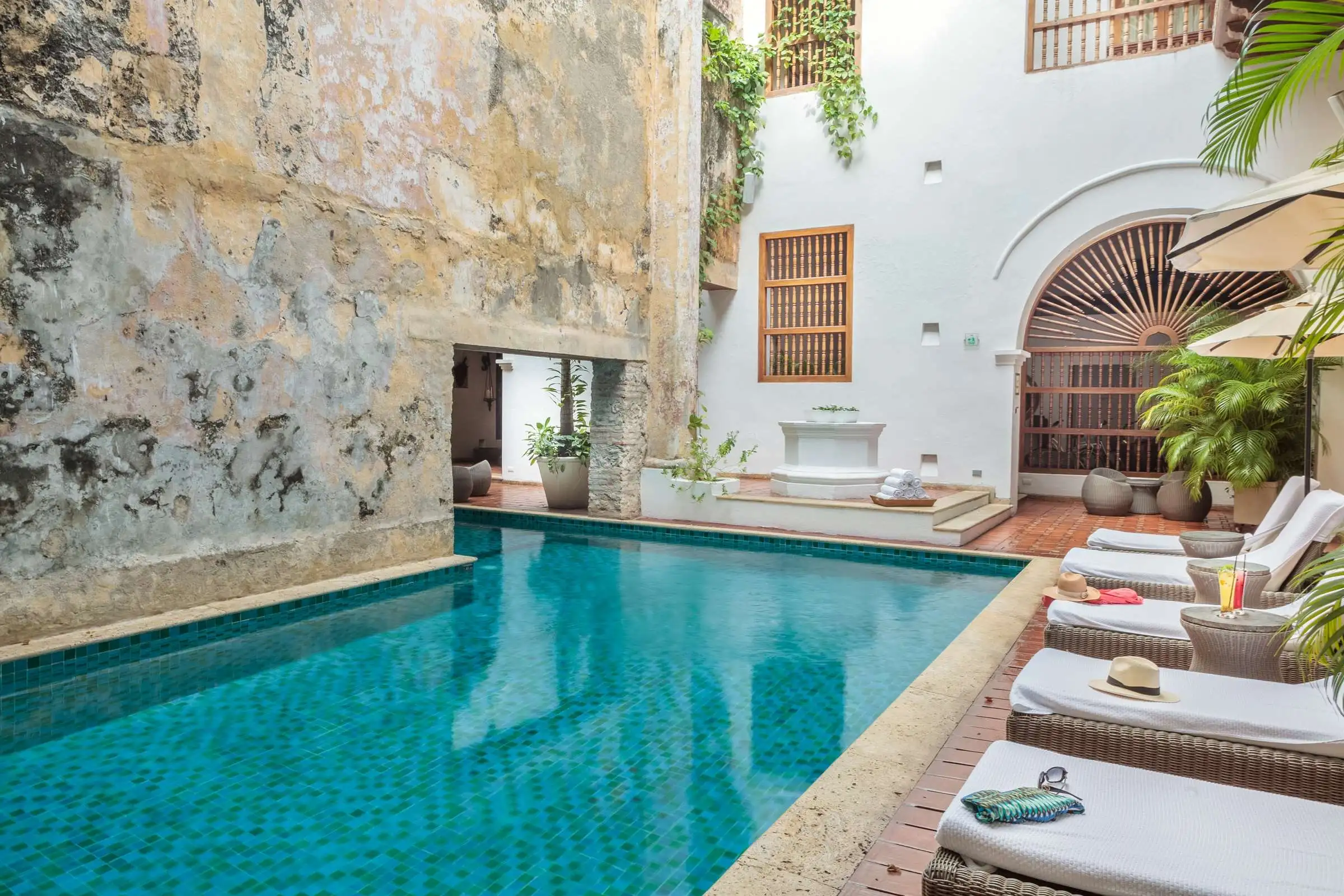
For Cartagena, Casa San Agustín occupies three restored colonial houses in the heart of the Old City. The property maintains the period architecture — stone walls, interior courtyards, original frescoes — while adding contemporary luxury. The rooftop pool offers views over the terracotta rooftops toward the Caribbean, and the location puts you steps from the best restaurants and bars without being in the tourist chaos near the main square.
What sets Casa San Agustín apart is the design restraint. Where other Cartagena properties lean heavily into colonial maximalism, this one feels edited and sophisticated. The spa incorporates local ingredients and traditions, and the restaurant serves contemporary Colombian cuisine that respects the source material without being precious about it. Through our Virtuoso partnership, you'll receive daily breakfast, a hotel credit, and room upgrades when available.
Why These Months Work
March and December are Colombia's two dry seasons, which matters significantly in a country where rain can make roads impassable and significantly impact travel plans. Both months offer stable weather across the Caribbean coast, coffee region, and Bogotá — the primary destinations for most first-time visitors.
March offers slightly cooler temperatures and fewer crowds, particularly in Cartagena where December brings peak tourist season. December offers more festive energy and cultural immersion, with Colombian families traveling and celebrating in ways that feel authentic rather than performed for tourists.
Either month gives you Colombia when it's most accessible and most willing to reveal why it's become one of South America's essential destinations.
Ready to explore Colombia's diversity? Enquire with The Camel Collection and let us design your Colombian journey — from Caribbean coast to coffee country to Andean capital — complete with exclusive Virtuoso benefits.

.webp)


.svg)
.svg)
© 2025 Camel Collection
Hughenden, Rock Road, Rock, Cornwall, United Kingdom, PL27 6PW