
.png)
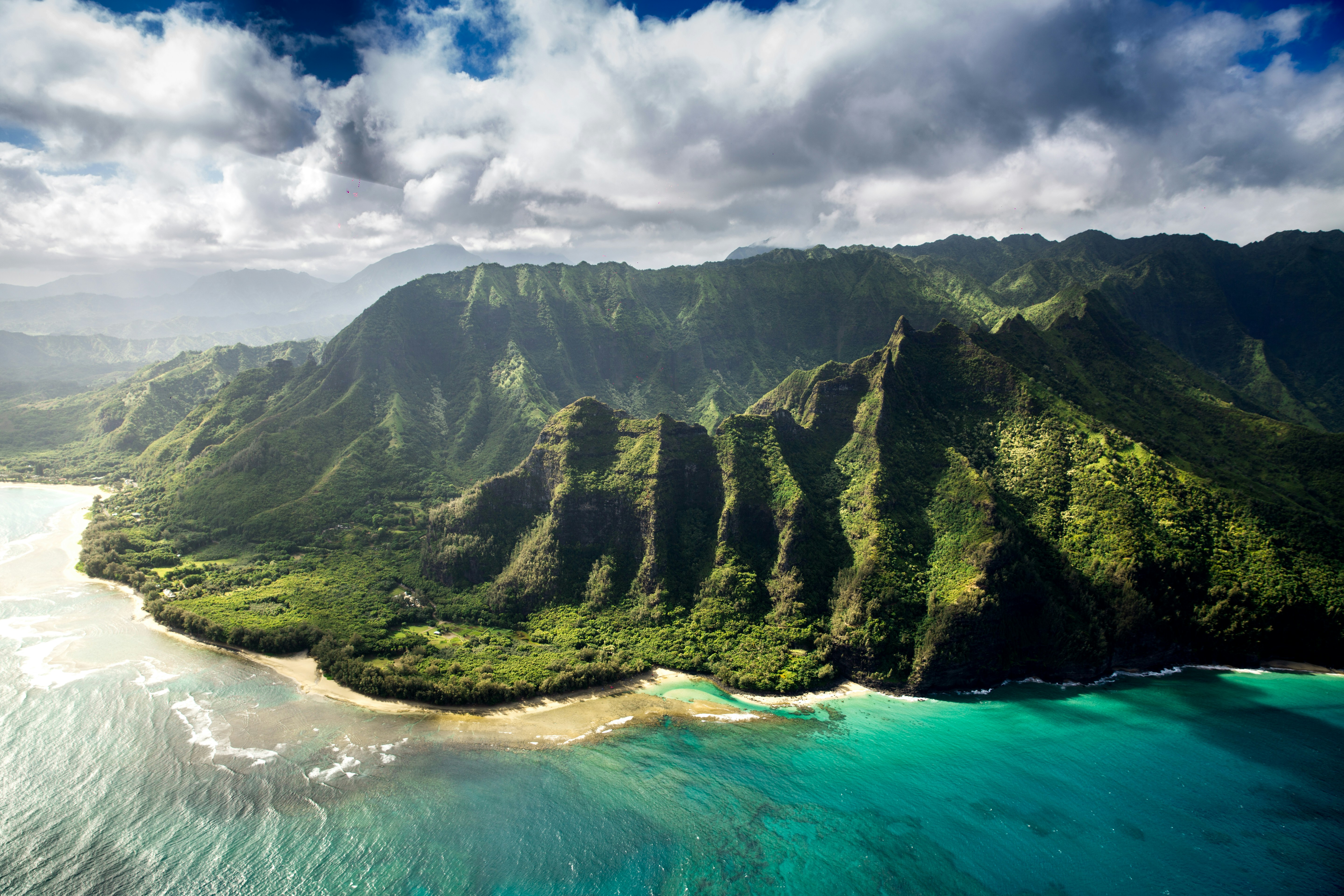
Hawai


Best Time to Visit Hawaii: June and October
Hawaii operates outside US mainland seasonal logic. While the islands technically have a wet season (November through March) and dry season (April through October), the differences are subtle enough that tourists visit year-round. If you're wondering when to visit Hawaii, June and October offer the islands at their most balanced. June brings peak summer conditions without school holiday crowds. October delivers warm weather and calm seas while avoiding both summer prices and winter's North Shore surf chaos. Both months give you Hawaii when it's most cooperative for beach time, island exploration, and the outdoor activities that justify the journey.
June: Summer Without the Crowds
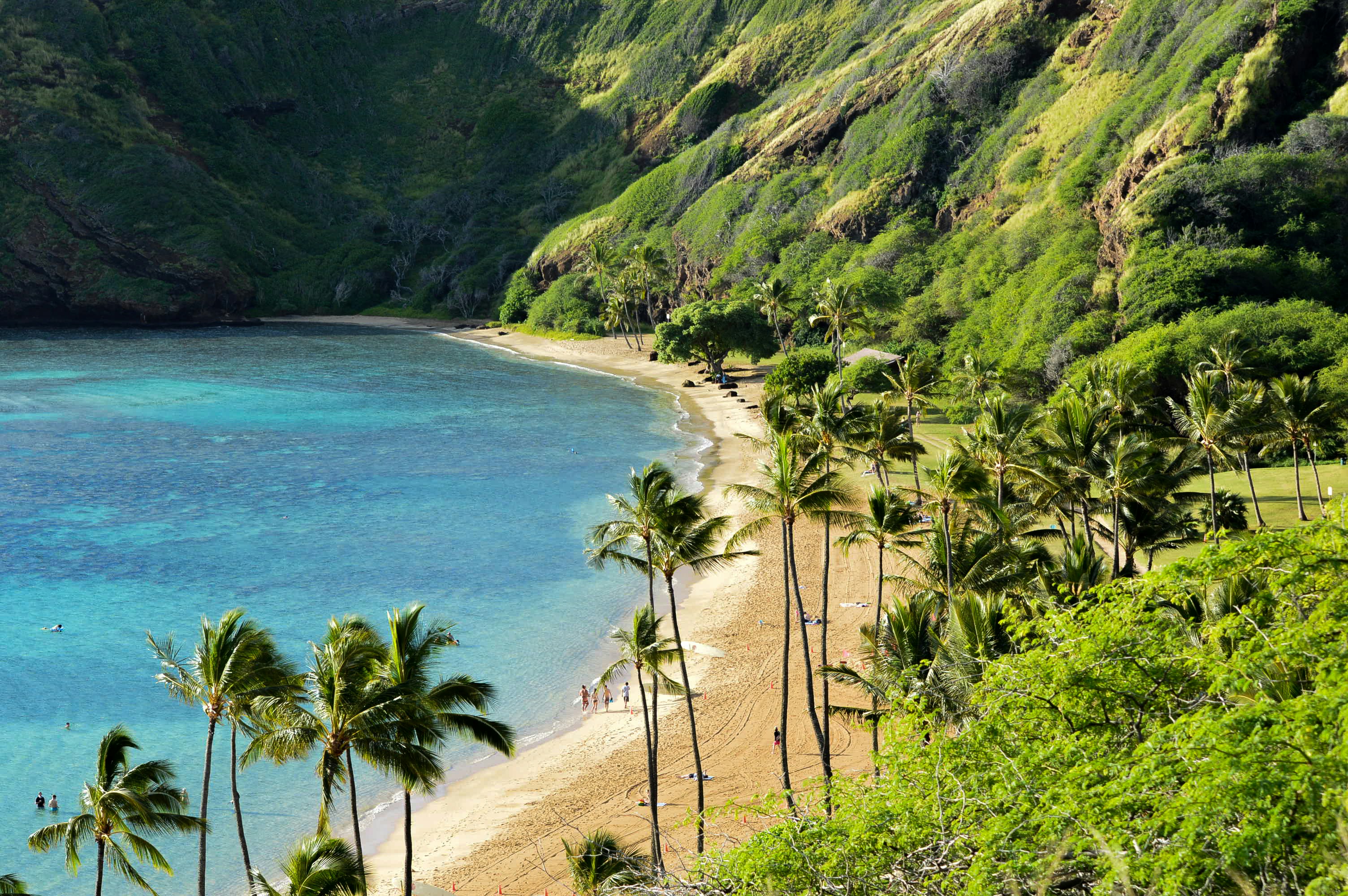
June in Hawaii means the dry season is well established, with minimal rain across most of the islands and temperatures in the mid-to-high twenties Celsius. The ocean temperatures reach 25-26°C, genuinely comfortable for extended swimming and snorkeling without a wetsuit. The trade winds that define Hawaiian weather patterns blow consistently, keeping things comfortable even when temperatures climb.
Maui in June showcases the island at its most accessible. The Road to Hana, the famous winding coastal route with waterfalls and black sand beaches, is fully accessible without the winter rains that can close sections. Haleakalā National Park, home to the dormant volcano that makes up most of Maui's eastern half, offers sunrise experiences that require advance reservations but reward early risers with views above the clouds. The summit sits at 3,055 meters, making it chilly even in summer, but the drive up and back down through multiple climate zones demonstrates Hawaii's compressed biodiversity.
June also brings calmer ocean conditions for boat trips. Molokini Crater, the partially submerged volcanic crater off Maui's coast, offers some of Hawaii's best snorkeling with visibility that can exceed 30 meters. The protected marine sanctuary hosts tropical fish, sea turtles, and reef sharks in numbers that justify the early morning boat departures from Maalaea Harbor.
October: Shoulder Season Perfection
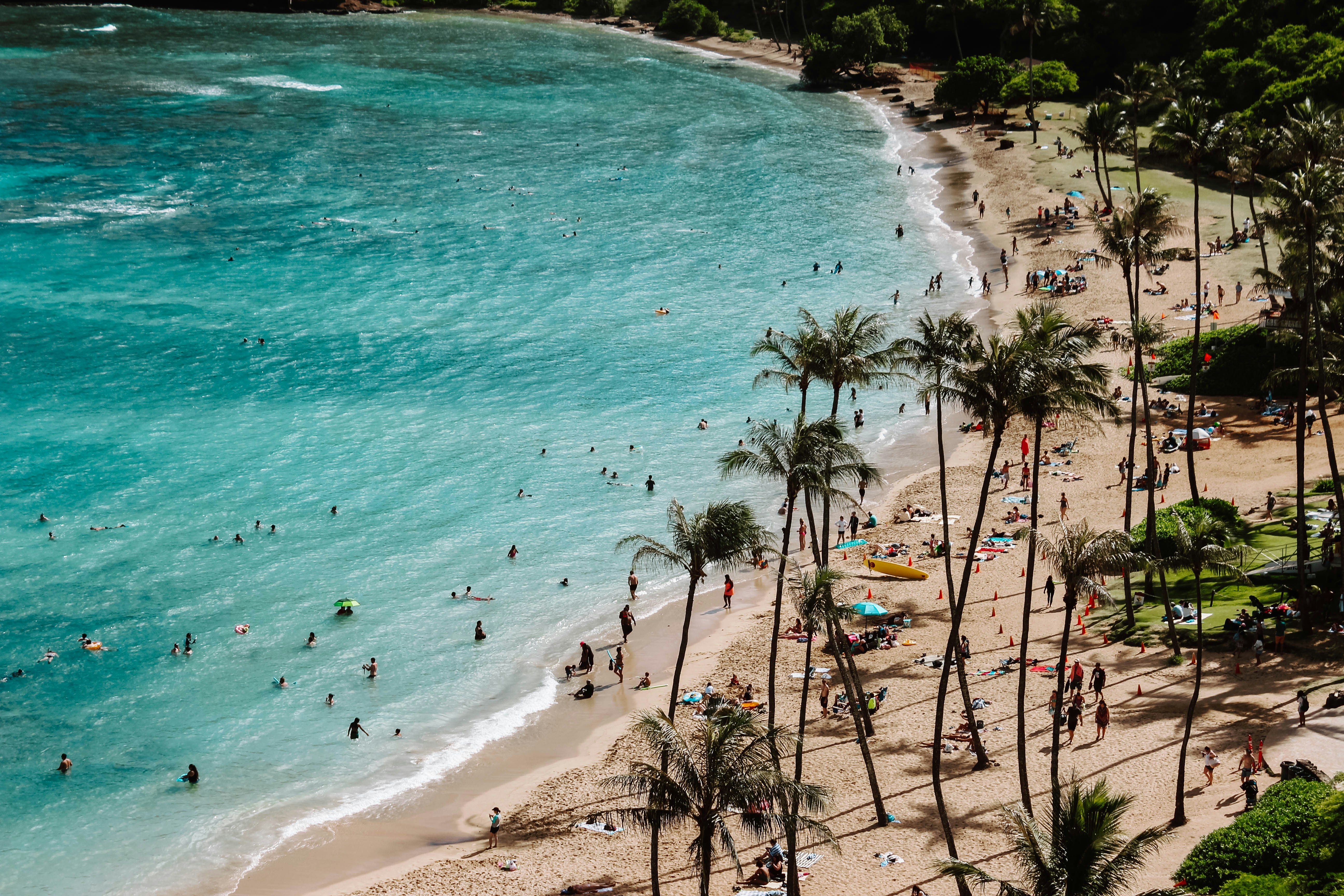
October sits at the tail end of Hawaii's dry season before the winter rains begin in earnest. The temperatures remain in the mid-twenties, the ocean stays warm from summer heating, and the tourist numbers drop as mainland families return to school schedules. This creates better availability at top resorts and restaurants, shorter waits at popular attractions, and the general sense that you're experiencing Hawaii when it's not operating at maximum capacity.
October brings the beginning of whale season. Humpback whales migrate from Alaska to Hawaiian waters beginning in October and November, with peak numbers arriving December through March. Early October offers the possibility of whale sightings without guarantees, but late October increases odds significantly. The whales come to breed and give birth in Hawaii's warmer waters, creating one of the world's most accessible whale watching opportunities.
Maui's beaches remain excellent in October. Wailea's crescent beaches, Ka'anapali's long stretch of sand, and the more remote options like Makena Beach (Big Beach) all benefit from October's calm conditions. The snorkeling at spots like Black Rock in Ka'anapali or the tide pools at Kapalua Bay continues without the summer crowds competing for entry points.
Where We'd Stay: Four Seasons Resort Maui at Wailea
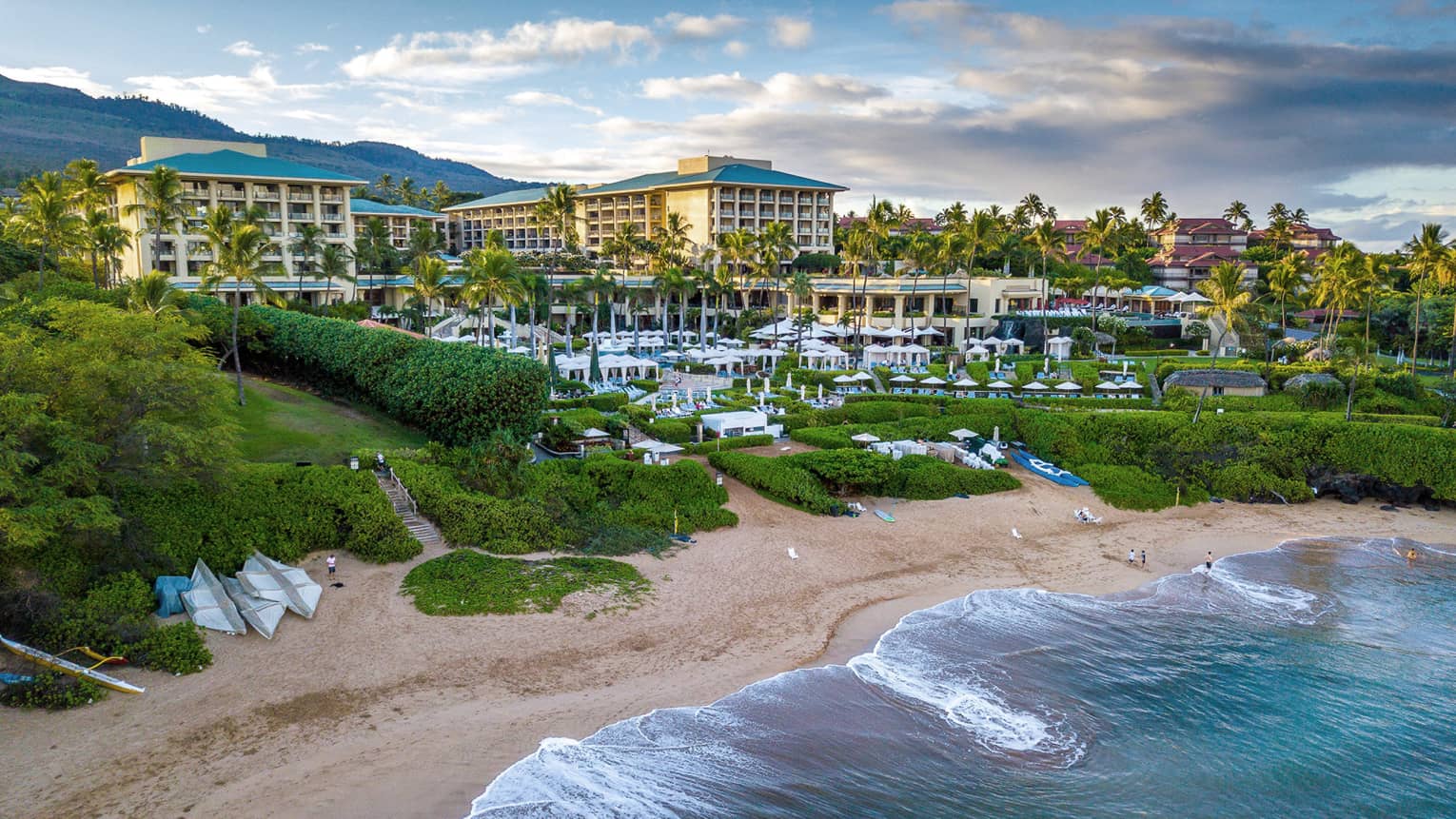
For Maui, Four Seasons Resort Maui at Wailea occupies 15 acres along Wailea Beach on the island's southwest coast. The property balances Hawaiian sense of place with Four Seasons' international luxury standards. The grounds incorporate native Hawaiian plants, the architecture references traditional design without being literal, and the three infinity pools cascade down toward the beach with the kind of views that make you understand why Maui consistently tops travel polls.
What sets Four Seasons Maui apart is the execution across every detail. The beachfront cabanas provide genuine shade and service, the restaurants range from casual poolside to fine dining emphasizing Hawaiian regional cuisine, and the spa incorporates traditional Hawaiian healing practices alongside contemporary treatments. The kids' program is exceptional if you're traveling with family, while the adults-only Serenity Pool provides escape when you need it.
June and October both showcase the property's outdoor spaces beautifully. The temperatures support all-day outdoor living, the beach conditions are ideal for water sports or simply floating, and the sunsets over neighboring islands of Lanai and Kahoolawe provide nightly entertainment from the oceanfront restaurants. Through our Virtuoso partnership, you'll receive daily breakfast, a resort credit toward spa treatments or dining, and room upgrades when available.
Why These Months Work
June and October avoid Hawaii's extremes without sacrificing quality. June delivers peak summer conditions before July and August bring mainland school holidays and higher prices. October offers shoulder season advantages (better rates, fewer crowds) while maintaining summer-like weather that makes beach time genuinely pleasant rather than just tolerable.
Both months also benefit from Hawaii's consistent trade winds, which moderate temperatures and keep things comfortable even during warmer periods. The ocean conditions remain calm enough for most water activities, and the hiking trails across the islands are accessible without muddy conditions or excessive heat.
Ready to experience Hawaii beyond the postcards? Enquire with The Camel Collection and let us design your Hawaiian escape, from Maui's beaches to volcanic landscapes to island perfection, complete with exclusive Virtuoso benefits.

.webp)


.svg)
.svg)
© 2025 Camel Collection
Hughenden, Rock Road, Rock, Cornwall, United Kingdom, PL27 6PW